
Use Cases
Your boundary problem isn't generic.
Classified enclaves, OT perimeters, bank segmentation, custody workflows. Different regulators, same question: how do you move data without opening a return path?

Defense & Intelligence
Ingress from the threat network. No return path to the open internet.
Analysts need OSINT, threat feeds, and vendor packages from internet-connected systems inside a classified enclave. Sneakernet and 'temporary' firewall rules don't survive an AO review. You need approved files moving one way in, named reviewers on every transfer, and fiber that can't be reconfigured into a bidirectional link.
Fiber, not filters
SFP links that physically block reverse traffic. A foothold on the low-trust side doesn't become lateral movement into the enclave.
Named reviewers, logged decisions
Reliable Human Review with assignment and attestation: who approved which file, when, and from where.
Runs on air-gapped nodes
Deploy disconnected. Ingest approved packages when the link is up; keep reviewing when it's not.
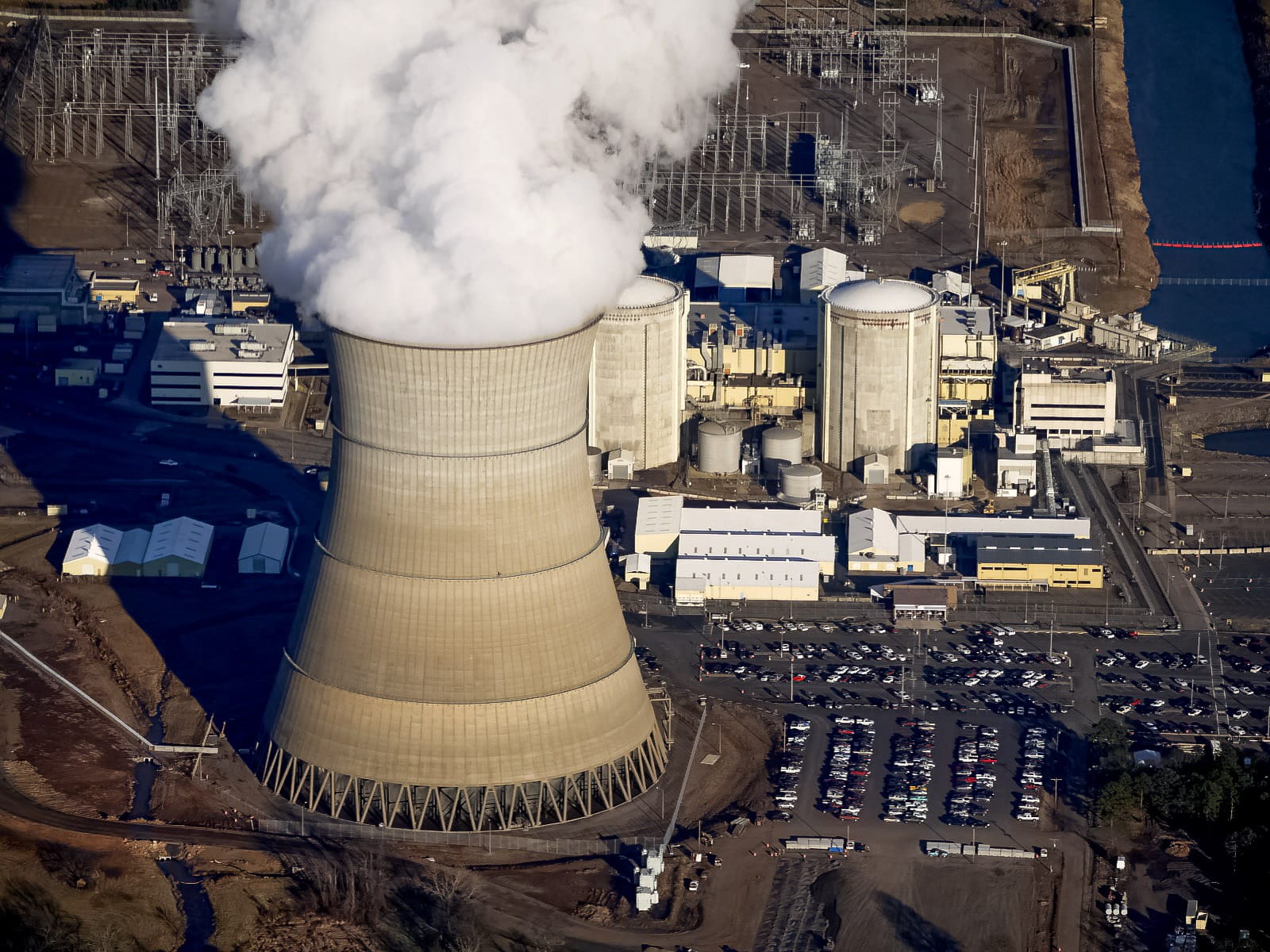
SCADA & OT
Pull historian and SCADA data out. Don't punch a hole into the PLC network.
Operations wants trends, alarms, and capacity numbers on the corporate side. Every 'secure remote access' proposal is someone asking to connect to Purdue Level 2. You need telemetry flowing one way, and a way to prove the control network stayed isolated.
Historians without inbound paths
Export SCADA, historian, and HMI feeds to IT without opening connectivity back to controllers.
Modbus and syslog across the gap
Bridge Modbus TCP, raw UDP/TCP, and syslog through ENS pipelines, configured in Lattice and monitored live.
Throughput you can actually watch
Per-pipeline sparklines and connection health on the console, so ops knows the link is up before someone calls.

Financial Services
Prove what crossed the DMZ. Not with a spreadsheet.
Core banking, trading, and custody sit behind strict segmentation, and your QSA or regulator expects ticket-level proof: which files moved, who signed off, what hashes matched. VLAN boundaries and firewall rules aren't enough when someone asks you to reconstruct a transfer six months later.
Hash and log every file
SHA-256 on upload, disposition tracked through inspection, transit, and pickup, with bilateral revocation if a token gets pulled.
DMZ separation in hardware
Diode links between DMZ, internal, and partner-facing zones. Not a rule set that moves every time the network team re-IPs something.
Identity tied to every action
mTLS-bound users, 24-permission RBAC, and a hash-chained admin audit log your compliance team can export without opening a ticket with the vendor.
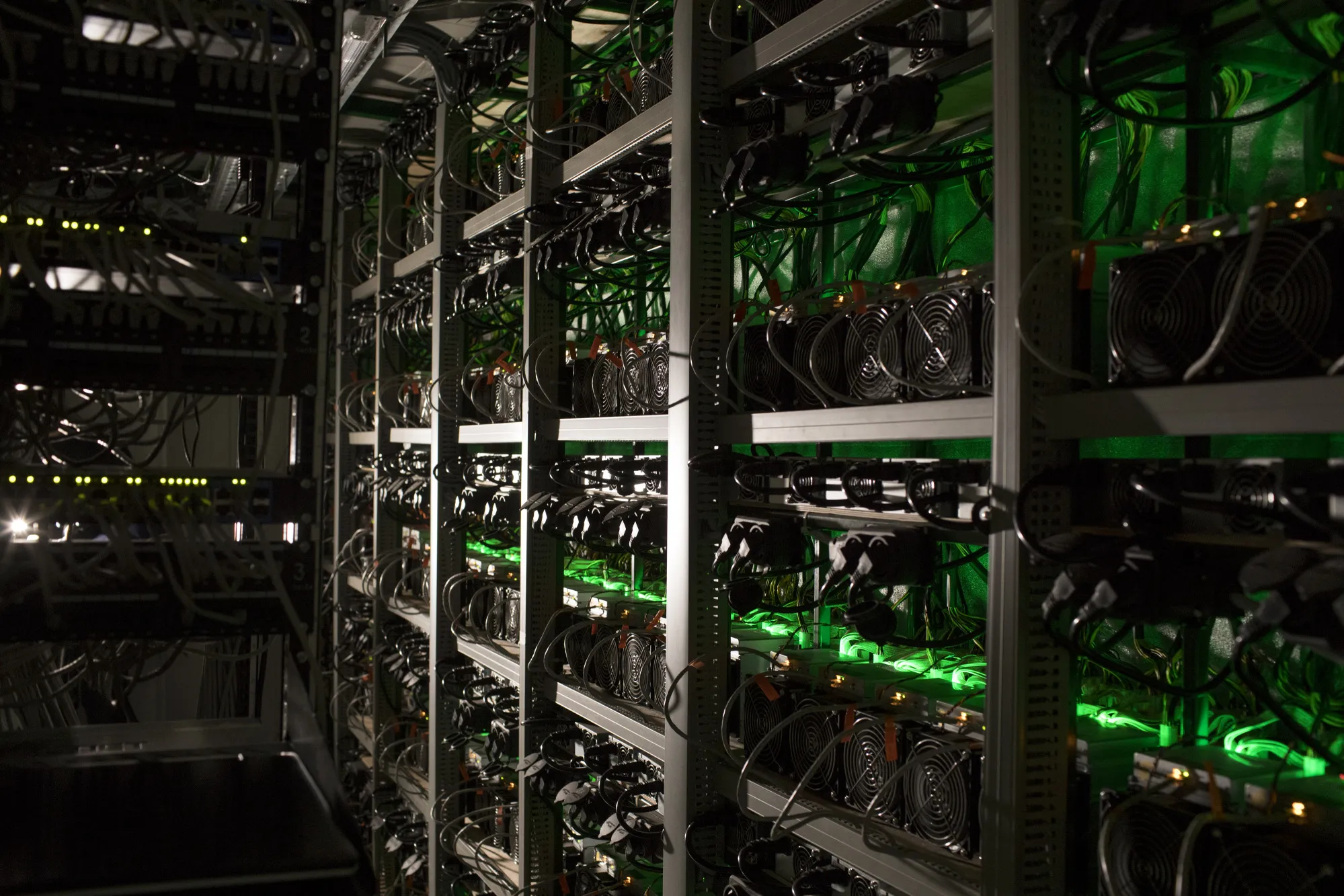
Crypto & High-Value Assets
Your signing keys shouldn't share a network with your web servers.
Exchanges, funds, and custody desks all hit the same wall: withdrawals and multisig ceremonies need data to move, but key material can't live anywhere an RCE on the public side could reach. Monitoring hot wallets doesn't fix architecture. You need a physical gap between cold storage and production.
Signing stays air-gapped
Private keys on networks with no return path to the internet-facing side. Compromise over there doesn't become key exfiltration over here.
Every transfer needs authorization
RSA-signed JWTs, content inspection, and ticket provenance before files release, not a shared folder someone misconfigured.
Controls you can walk an auditor through
Hardware boundaries and logged transfers your compliance team and counterparties can verify on-site, not in an architecture diagram.
Tell us what's on either side of the gap.
What networks, what data, what accreditation or audit requirement. We'll tell you which Expanse, ENS, and Lattice pieces fit.